
Epoxy lab sinks
Overall, epoxy lab sinks work well for modern standard labs. They have one-piece smooth surfaces, good chemical resistance, stable quality and are very easy to clean.
Thanks to their reliable quality, these lab fixtures fit all professional labs. They help build safer and cleaner labs and cut long-term running costs greatly.
In fact, standard epoxy lab sinks are good long-term purchases. They support standard and efficient lab construction and improve overall lab quality.
Specifically, chemical, biological, pharmaceutical and school labs can all use epoxy sinks. They are more durable and safer than old-type sink materials.
For this reason, this guide explains epoxy sinks’ key features, uses and care tips. It helps lab workers pick the right lab sinks.
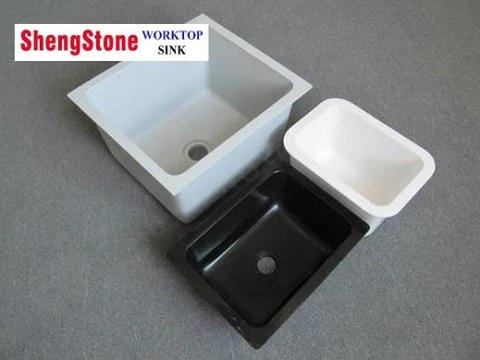
Material & Manufacturing Advantages
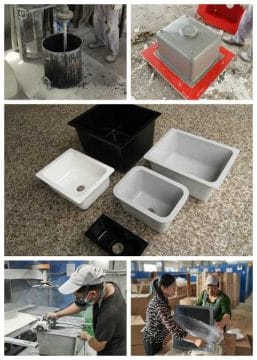
To begin with, high-grade epoxy resin is the core material. Factories make these sinks under high temperature and high pressure as a whole piece.
Furthermore, the one-piece pouring process leaves no seams or inner gaps. It fixes common problems of jointed or sprayed traditional sinks.
As a result, every sink has even density and uniform thickness. The full integrated structure avoids common structural defects.
In turn, this new production method solves most daily sink issues. It stops dirt buildup, water leaks and surface cracks during daily use.
Meanwhile, professional high-temperature treatment creates a stable material structure. It makes the sinks strong and reliable for long lab use.
Ultimately, epoxy material resists aging and shape change. It suits long-time, frequent use and harsh corrosive lab environments.
Core Benefits of Epoxy Lab Sinks
Outstanding Chemical Corrosion Resistance
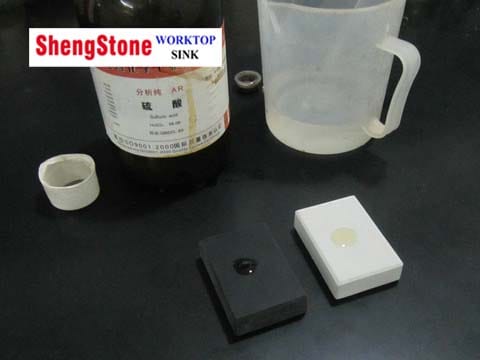
First and foremost, great chemical resistance is the biggest advantage. Labs often use corrosive liquids such as acids, alkalis and organic solvents.
By contrast, stainless steel sinks easily rust in corrosive environments. Ceramic sinks often peel and collect hidden dirt after chemical use.
On the positive side, epoxy sinks have tight molecule structures for strong protection. They stand long-term damage from most common lab chemicals.
Therefore, repeated chemical contact will not leave spots or peel the surface. The sink stays intact even after long corrosive exposure.
Consequently, the stable chemical quality reduces leak risks. It avoids cross-contamination and keeps experiment results safe and accurate.
Excellent Physical & Temperature Resistance
Apart from chemical stability, epoxy sinks have strong physical toughness. Their tight surface resists scratches and hits from glass lab tools.
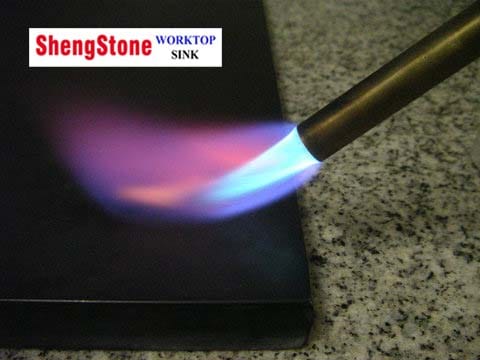
Besides, the material handles sudden temperature changes well. It will not crack or bend due to heat changes during daily lab work.
Sterile & Easy-to-Clean Performance
More importantly, the seamless and non-porous surface has no hidden spots for dirt and bacteria. It effectively stops germ growth in labs.
Accordingly, this clean property prevents sample cross-contamination. It keeps experiment data correct and maintains standard lab conditions.
Main Application Scenarios
In practical application, epoxy sinks suit almost all professional labs. Their stable and flexible performance makes them a top choice for lab projects.
Chemical Analysis Labs: Notably, they resist mixed acid and alkali damage for daily tool cleaning and simple waste liquid handling.
Biological & Medical Labs: Meanwhile, they help keep sterile spaces, protect sample purity and meet strict GMP rules.
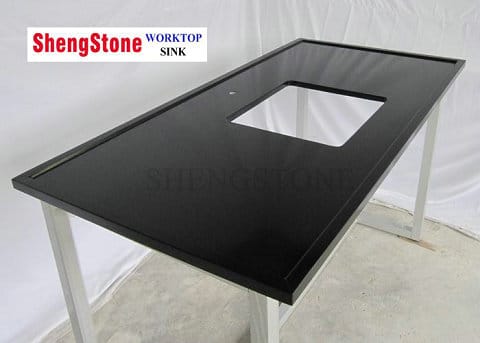
Food & Pharmaceutical Labs: Similarly, they clean up without residue and fully meet food and drug production standards.
University Teaching Labs: In addition, they endure frequent student use with few faults and lower long-term replacement costs.
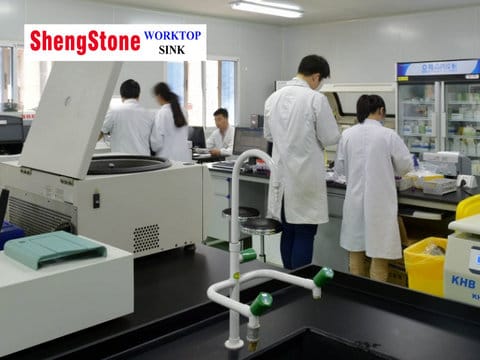
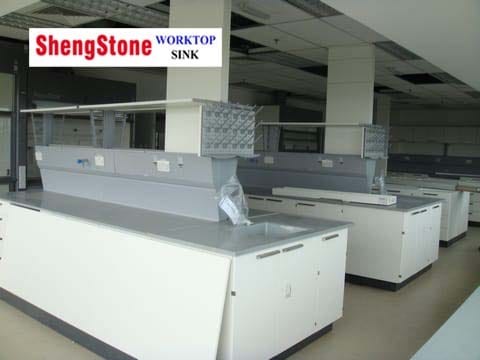
Additionally, the simple and clean design matches epoxy countertops perfectly. It lifts the overall standard and look of the lab.
Standard Installation Methods
Generally speaking, correct installation extends sink service life and ensures stable performance. Modern labs mainly use two installation ways.
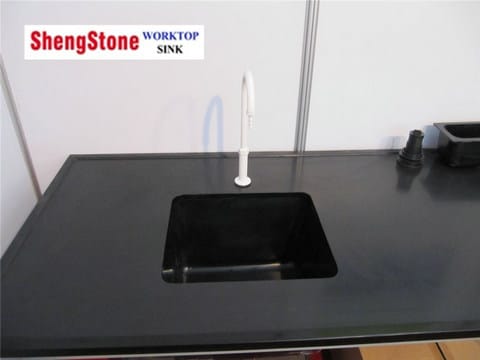
Undermount Installation: In particular, this popular method provides better sealing. It removes gaps for full seamless integration without extra glue.
As a result, it avoids mold growth and hidden water leaks. It makes daily cleaning easier and keeps countertops clean long term.
Drop-In Installation: Alternatively, this method is simple and fast to install. It fits most old lab countertop updates and common layout designs.
Daily Maintenance & Specifications
Naturally, epoxy sinks are very durable. Simple daily care and regular upkeep can further extend their service life.
Daily Cleaning: Firstly, clean sinks with soft cloths and neutral detergent. Do not use sharp tools or rough cleaning products.
Timely Decontamination: Secondly, clean up spilled corrosive chemicals right away. Never leave chemical residue on the surface.
High-Temperature Protection: Thirdly, keep hot tools away from the sink surface to avoid local heat damage.
Regular Upkeep: Finally, dry the sink after use and clean hidden corners often to keep a sterile lab environment.
Cost-Performance Comparison
Admittedly, epoxy sinks cost a little more at first than traditional sinks, but they offer much better long-term value.
Hence, their strong corrosion and aging resistance cut daily maintenance work. Labs save money on frequent replacements and extra repairs.

FAQ
Q1: Are epoxy lab sinks chemical resistant?
Yes, epoxy lab sinks feature dense and stable molecular structures. They resist most acids, alkalis and organic solvents. They never rust or corrode like metal or ceramic sinks.
Q2: Are epoxy lab sinks easy to clean?
Absolutely. These sinks adopt seamless and non-porous designs. They leave no hidden dirt or bacterial dead corners. Users only need soft cloths and neutral detergent for daily cleaning.
Q3: Can epoxy lab sinks withstand high temperatures?
They have reliable temperature adaptability. They resist deformation and cracking under normal lab temperature changes. It is still better to keep overheated utensils from long-time direct contact.
Q4: What installation method works best for epoxy lab sinks?
Under-counter installation stands as the most recommended option. It creates seamless integration with countertops. It reduces cleaning burdens and avoids hidden leak risks.
Q5: Are epoxy lab sinks cost-effective for long-term lab use?
Yes, they deliver outstanding long-term value. Though upfront costs are slightly higher, they need almost no frequent replacement or complex maintenance. They greatly lower overall lab operating expenses.